
SUB SUMMIT 2015
March 2015
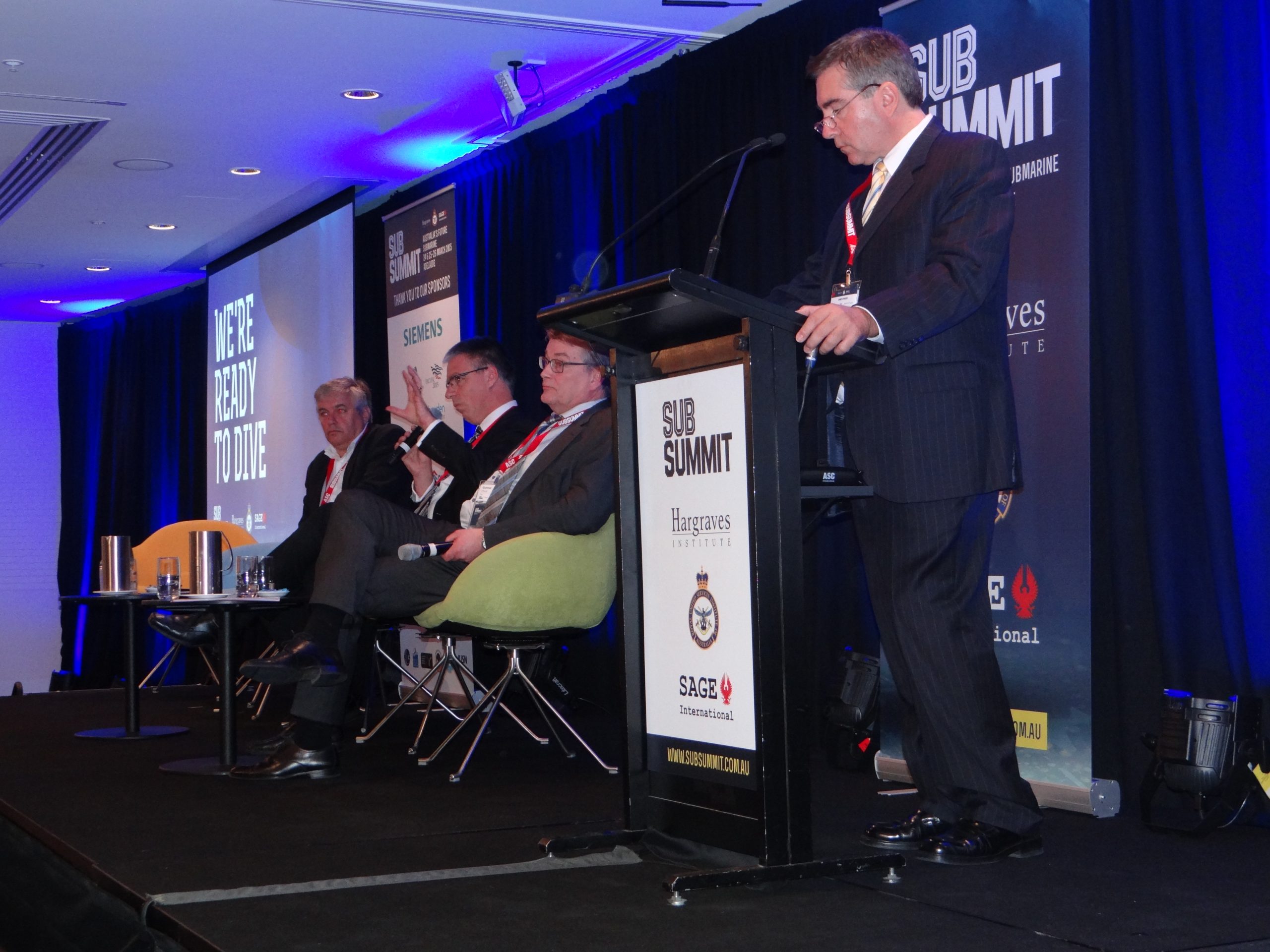
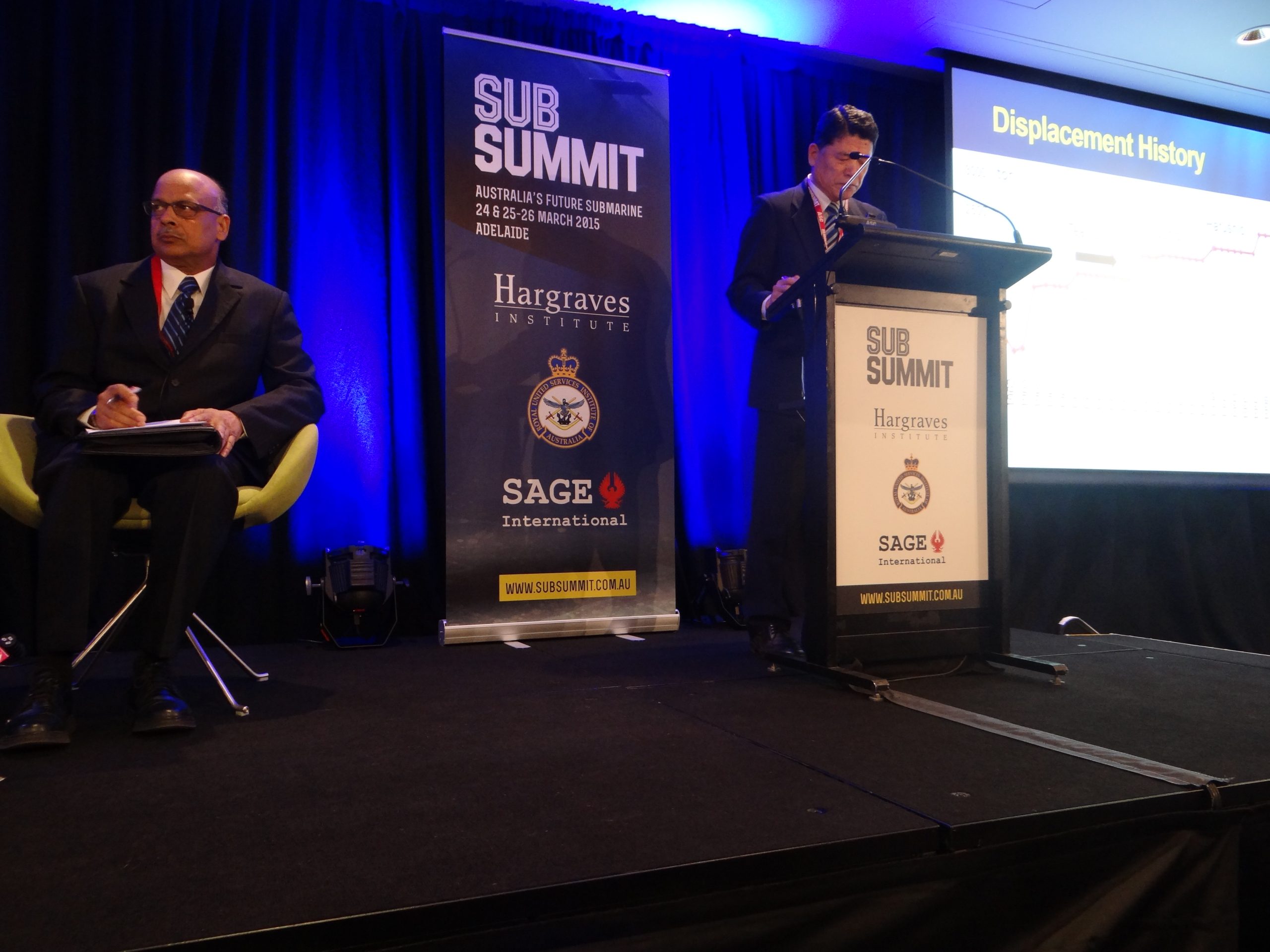
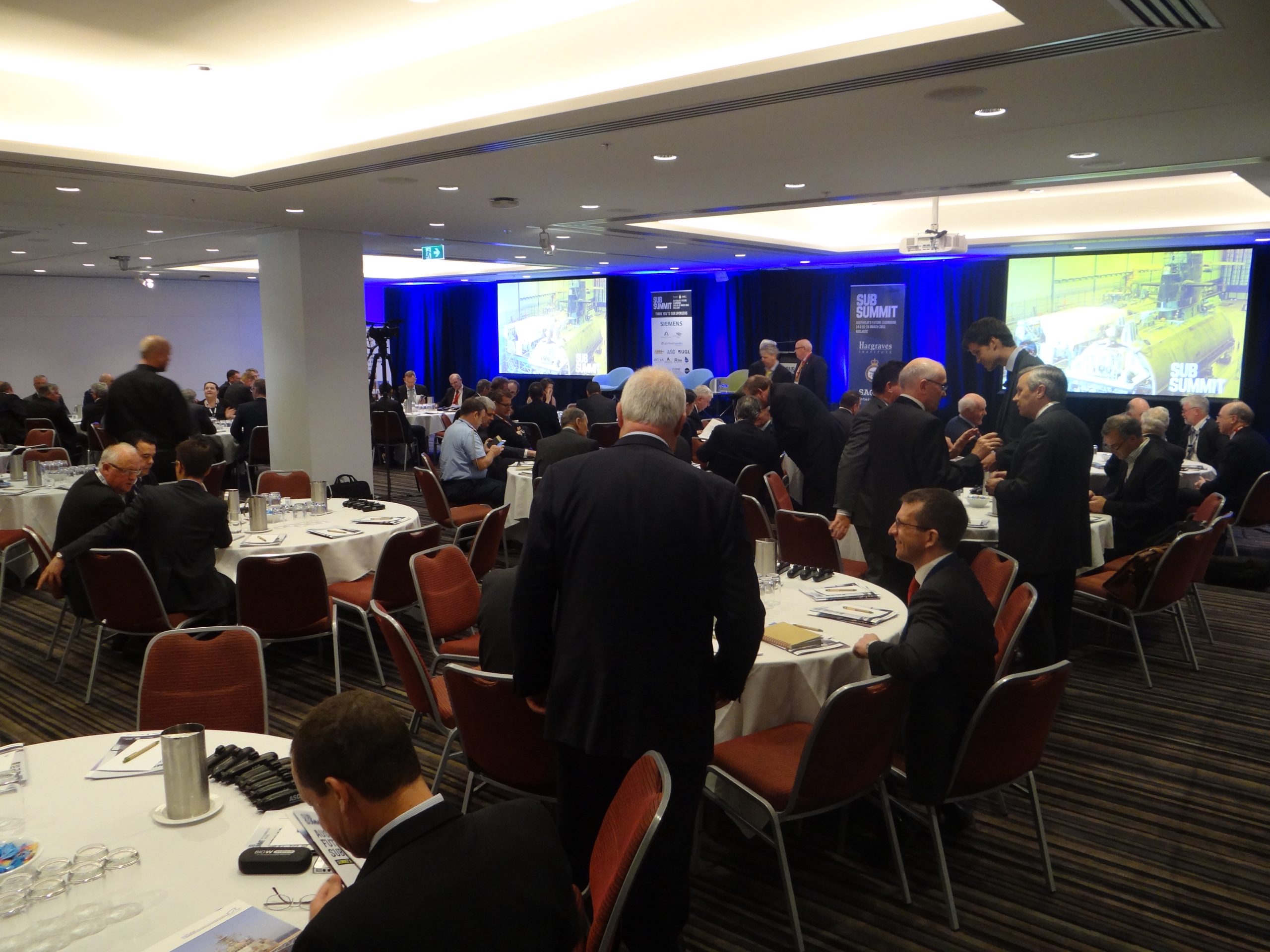
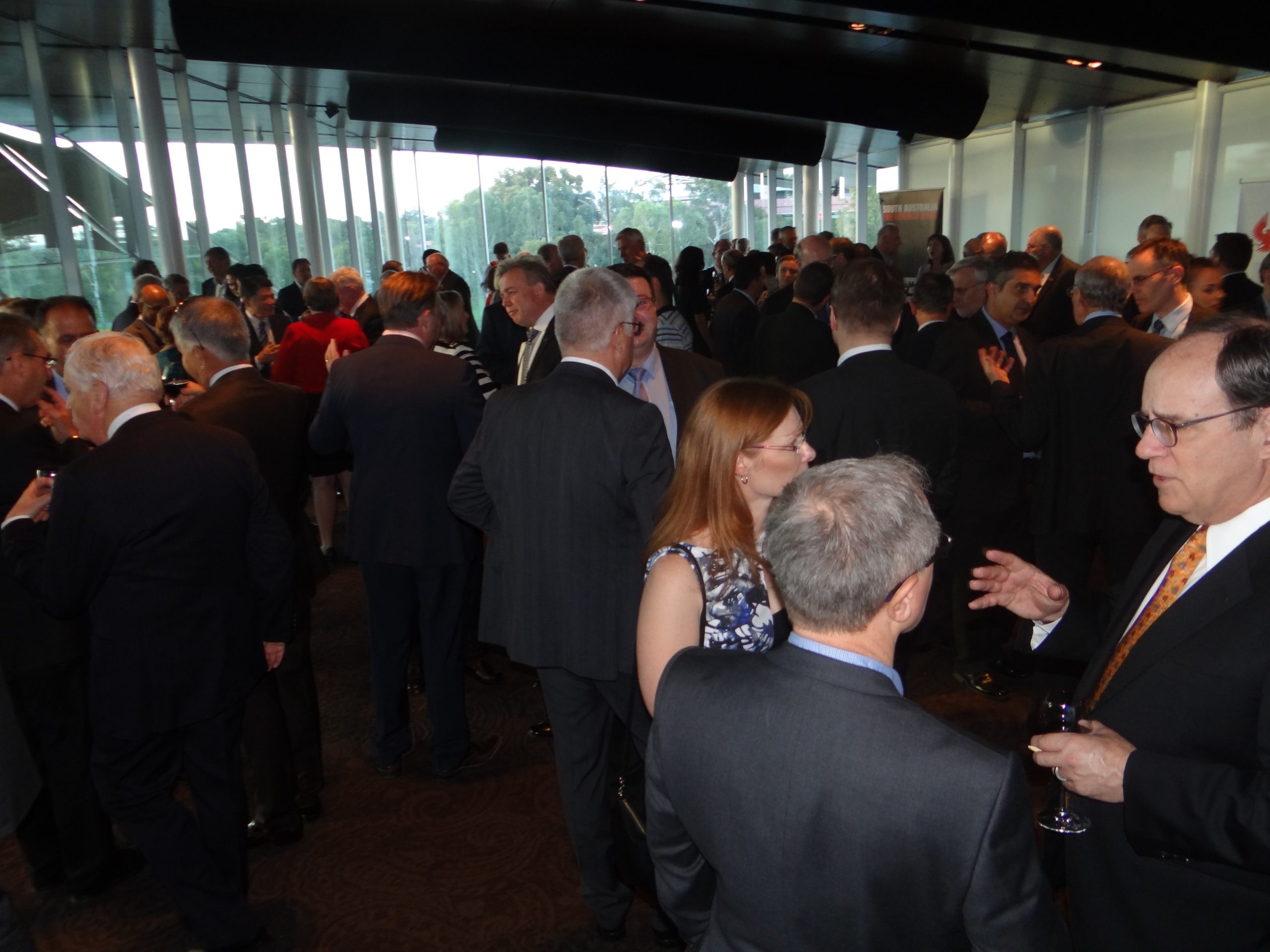
Sub Summit 2015 was a landmark event in Australia’s defence and industrial history, bringing together international media, defence industry leaders, policymakers, military officers, academics and strategic analysts to examine the future of Australia’s submarine capability.
Jointly organised by the Royal United Services Institute of Australia (RUSI-A), SAGE International Australia and the Hargraves Institute, the Summit was held during one of the most consequential defence procurement debates in modern Australian history: the selection of a successor to the Royal Australian Navy’s Collins-class submarines.
At the time, Germany, France and Japan had been invited to participate in the Commonwealth Government’s Competitive Evaluation Process (CEP), with proposals based on the German Type 216 concept, the French Shortfin Barracuda design and Japan’s highly regarded Soryu-class submarine.
The Summit unfolded against a politically charged backdrop. Prime Minister Tony Abbott’s government was widely perceived as favouring the Japanese option and was considering an acquisition approach that could have significantly reduced Australia’s domestic submarine construction role. This generated considerable debate regarding sovereign industrial capability, workforce retention and the future of the Osborne shipyard in South Australia.
Recognising the strategic importance of these issues, the organisers secured the participation of two of Japan’s most senior naval experts, Vice Admiral Masao Kobayashi and Vice Admiral Yoji Koda. Their appearance proved historically significant.
In a major public policy development, both admirals indicated that Japanese submarine technology could be transferred and that the construction of Japanese-designed submarines in Adelaide was possible. At the time, this represented a remarkable shift in Japanese strategic thinking and reflected Tokyo’s gradual movement away from decades of self-imposed restrictions on defence exports associated with Article 9 of Japan’s post-war constitution.
The Summit, therefore, became more than a defence industry conference. It emerged as an important forum in which strategic, industrial, and political assumptions were publicly challenged, helping to shape the national debate over Australia’s future submarine capability.
The issues discussed at Sub Summit 2015 continue to resonate today. Questions surrounding sovereign capability, defence-industrial resilience, technology transfer, alliance relationships, and national strategic autonomy remain central to Australia’s defence policy and are reflected in contemporary initiatives such as AUKUS.
Viewed in retrospect, Sub Summit 2015 stands as a significant contribution to Australia’s defence policy discourse and a noteworthy moment in the evolution of Japan’s role as a strategic and defence-industrial partner.
Location: Adelaide Convention Centre, South Australia
Organisers: Royal United Services Institute of Australia (RUSI-A), SAGE International Australia and the Hargraves Institute
Theme: Australia’s Future Submarine Program and the Competitive Evaluation Process (CEP)
Historical Significance: Sub Summit 2015 occurred during the debate that ultimately led to Australia’s Future Submarine Program and foreshadowed many of the questions of sovereign capability and strategic partnership that continue to shape Australian defence policy today.