News

The Laws of Thermodynamics as a Guide to International Affairs

Can the laws of thermodynamics help us think about international affairs? Patrick Tyrrell uses heat and entropy as a lens on spreading conflict, shifting alliances and the difficulty of containing a geopolitical chain reaction.
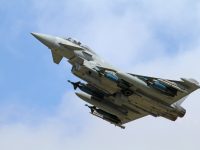
Where Does Article 5 Begin? | Russia, NATO and the Hardening Grey Zone

SIB #009 examines how Russia–NATO competition is moving from cyberattacks, sabotage and electronic interference toward armed interception and the defence of critical infrastructure. Using the Lithuania drone incident and undersea activity near Svalbard as case studies, the brief assesses how Threshold Conditioning may gradually erode the practical boundaries of Article 5 without triggering conventional war.

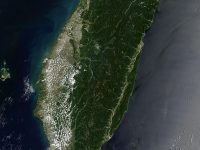
First Shots in Orbit? Space Warfare and the Taiwan Contingency

SIB #008 examines how a future Taiwan conflict could extend into space from its opening stages. With both China and the United States increasingly dependent on vulnerable orbital systems, counter-space operations may become central to command, targeting, communications and escalation. The brief assesses the implications for allied deterrence, Australian defence preparedness and national resilience.

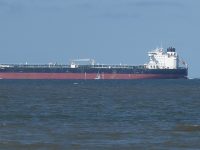
Winning the Strait, Losing the Passage? Iran and the Limits of Escalation Dominance

US military superiority may secure the Strait of Hormuz without restoring confidence in its use. SAGE Strategic Intelligence Brief #007 examines how Iran can exploit maritime risk, commercial uncertainty and threshold conditioning to challenge US escalation dominance without achieving conventional sea control.

ENGAGE WITH STRATEGIC EXPERTISE

SAGE International Australia provides independent geopolitical, defence and strategic analysis to help organisations understand risk, identify opportunity and make better decisions in a rapidly changing world.

Engage

Get email updates from Sage

Subscribe